
Digital Disbursements That Deliver: Closing the Last-Mile Gap for NGOs
|
By Matthew Krull, SVP, Rellevate
As global humanitarian and development organizations continue to shift toward digital-first operations, one persistent challenge remains: how to efficiently, securely, and compliantly deliver funds to the people who need them most.
Whether supporting disaster relief, conditional cash transfer programs, or workforce payments, NGOs are under increasing pressure to modernize disbursement methods while navigating complex regulatory environments, limited infrastructure, and evolving donor requirements. At the same time, beneficiaries expect faster access, greater transparency, and more control over their funds.
This is where digital disbursement solutions are no longer optional—they are essential.
At Rellevate, we’ve been working alongside NGOs and public sector organizations to help bridge this gap. Our platform is designed to enable organizations to distribute funds quickly and securely, while improving the overall experience for recipients.
Addressing the “Last Mile” Challenge
Traditional disbursement methods—such as cash, checks, or manual wire transfers—often introduce delays, administrative burden, and risk. These inefficiencies are magnified in regions where access to banking is limited or infrastructure disruptions are common.
Digital disbursement solutions offer a more scalable and transparent alternative. By leveraging prepaid debit cards, digital wallets, and real-time payment capabilities, NGOs can:
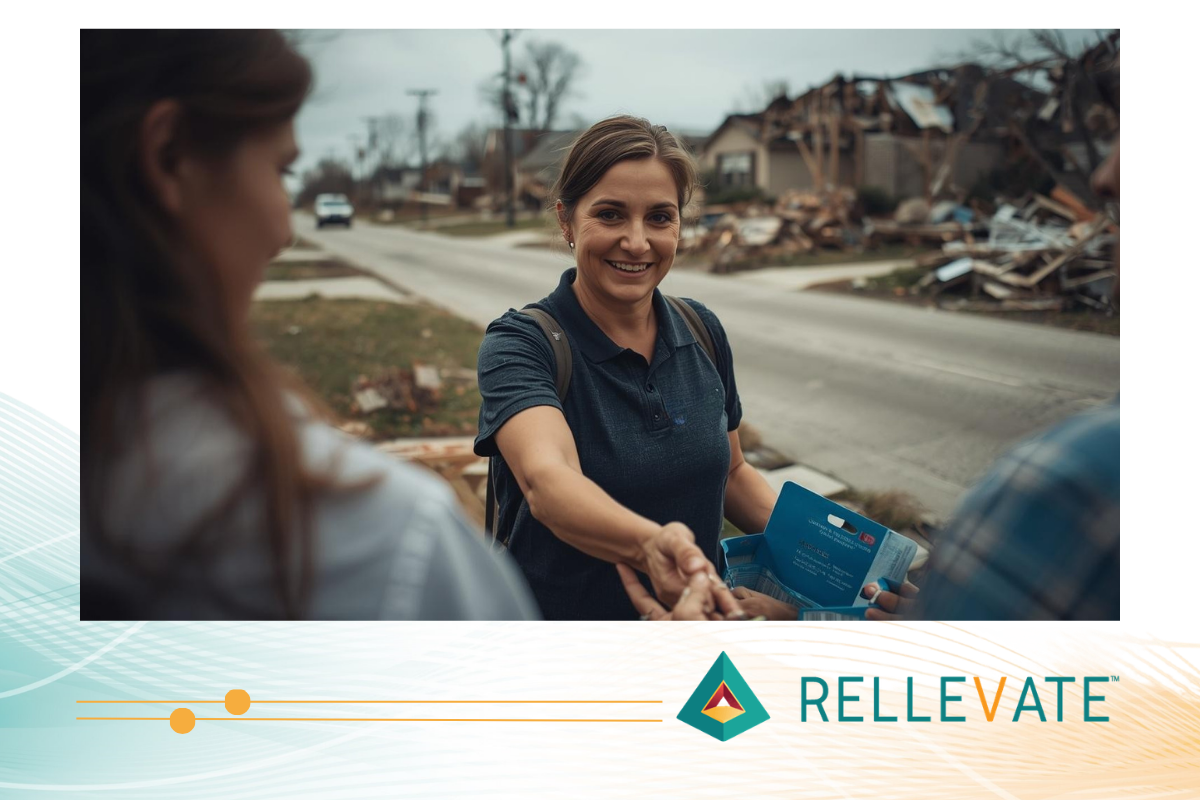
For example, in a post-disaster scenario, the ability to instantly deliver funds to affected individuals can dramatically accelerate recovery. Instead of waiting for physical aid distribution, recipients can use funds directly for essential needs such as food, shelter, and transportation.
Designing for Accessibility and Inclusion
Financial inclusion remains a critical consideration in any digital disbursement strategy. Many beneficiaries may be underbanked or unfamiliar with traditional financial systems.
Rellevate’s approach prioritizes accessibility by offering solutions that do not require a pre-existing bank account. Recipients can access funds through a digital account linked to a debit card, allowing them to make purchases, withdraw cash, and manage funds with ease.
This model empowers individuals not just to receive funds, but to actively participate in the financial ecosystem—often for the first time.
Additionally, multilingual support and simplified onboarding processes help ensure that programs can reach diverse populations without introducing friction or confusion.
Navigating Compliance and Donor Expectations
For NGOs, compliance is not merely a regulatory requirement—it is fundamental to maintaining donor trust.
Digital disbursement platforms must align with evolving standards around anti-money laundering (AML), data security, and reporting transparency. At the same time, organizations need robust tracking and reporting tools to demonstrate impact and accountability.
Rellevate’s infrastructure is built with these requirements in mind, providing:
This enables NGOs to focus more on mission delivery and less on administrative complexity.
Looking Ahead: From Pilot Programs to Scalable Impact
While many organizations have begun exploring digital disbursements through pilot programs, scaling these initiatives remains a key challenge—especially amid shifting funding landscapes and program delays.
Despite these headwinds, the long-term trajectory is clear. Digital payments are becoming the standard across humanitarian and development programs, driven by the need for speed, efficiency, and transparency.
At Rellevate, we are committed to partnering with NGOs to move from concept to execution—helping organizations design and implement programs that scale sustainably over time.
As we engage with partners and peers at ICT4D 2026, we look forward to continuing the conversation about how technology can better serve both organizations and the communities they support.
Because ultimately, effective disbursement is not just about moving money—it’s about delivering impact where it matters most.
Becky Bell has joined the TechChange team as a Junior Web Developer! We recently sat down with Becky to learn...

After starting as a Marketing and Communications fellow in spring 2018, Danielle officially joined the TechChange team in a role...

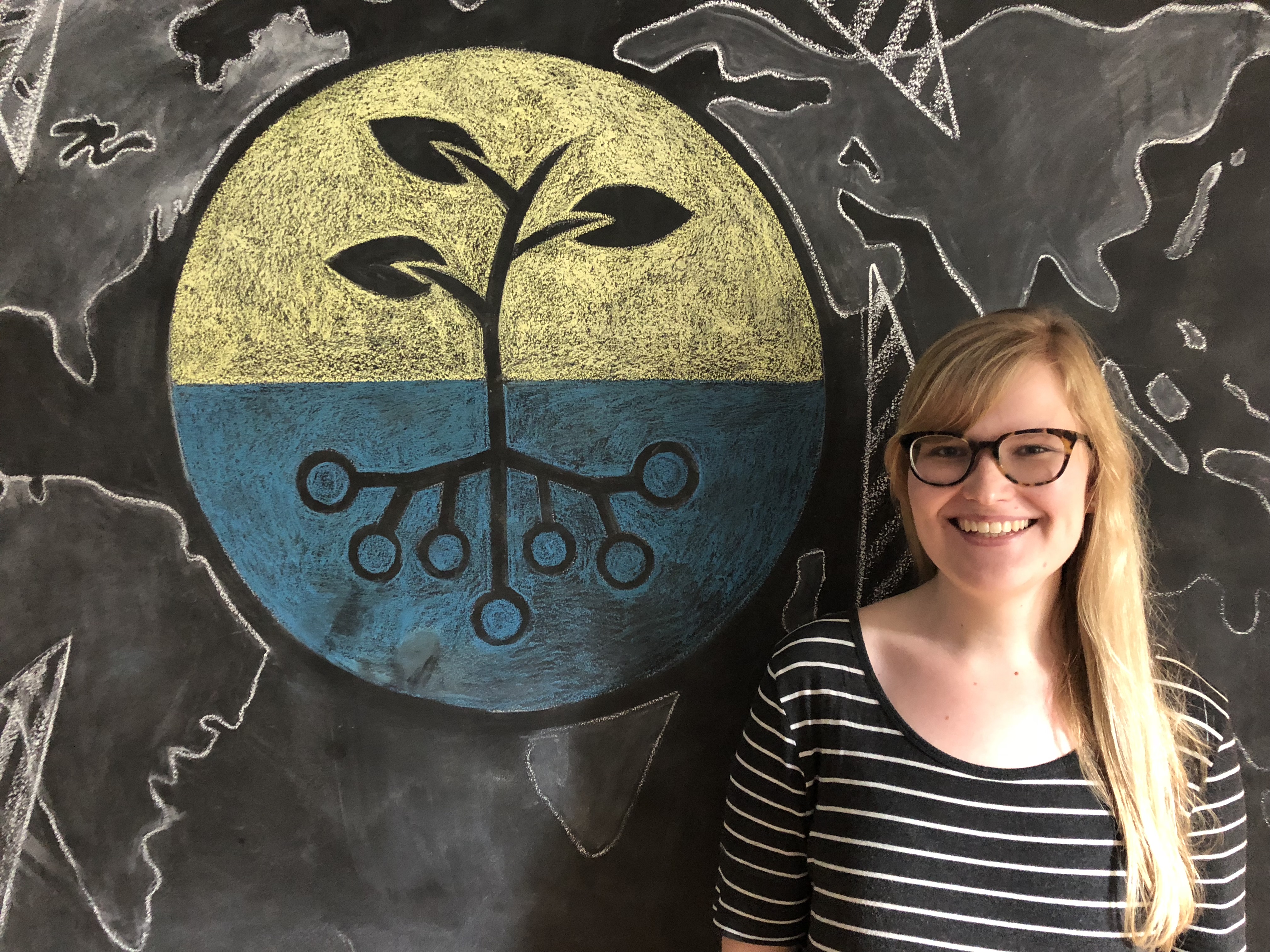
In preparation for our new Office Warming Party today, our creative team decorated our office with a special chalkboard mural....