
From Vision to Action: GDHF 2025 Showed How Collaboration Is Shaping Digital Health’s Future
|
By Harshita Murarka, TechChange
The Global Digital Health Forum (GDHF) isn’t just a conference; it’s a community. Each year, technologists, health workers, policymakers, and innovators gather with one goal: to shape a more human, equitable digital future.
In 2025, the community came together with renewed clarity and urgency, united by a shared understanding that digital health stands at a decisive inflection point. The active participation of Ministry of Health (MoH) representatives from 28 countries reflected not only growing global alignment but also an unprecedented level of governmental commitment to advancing digital health agendas.
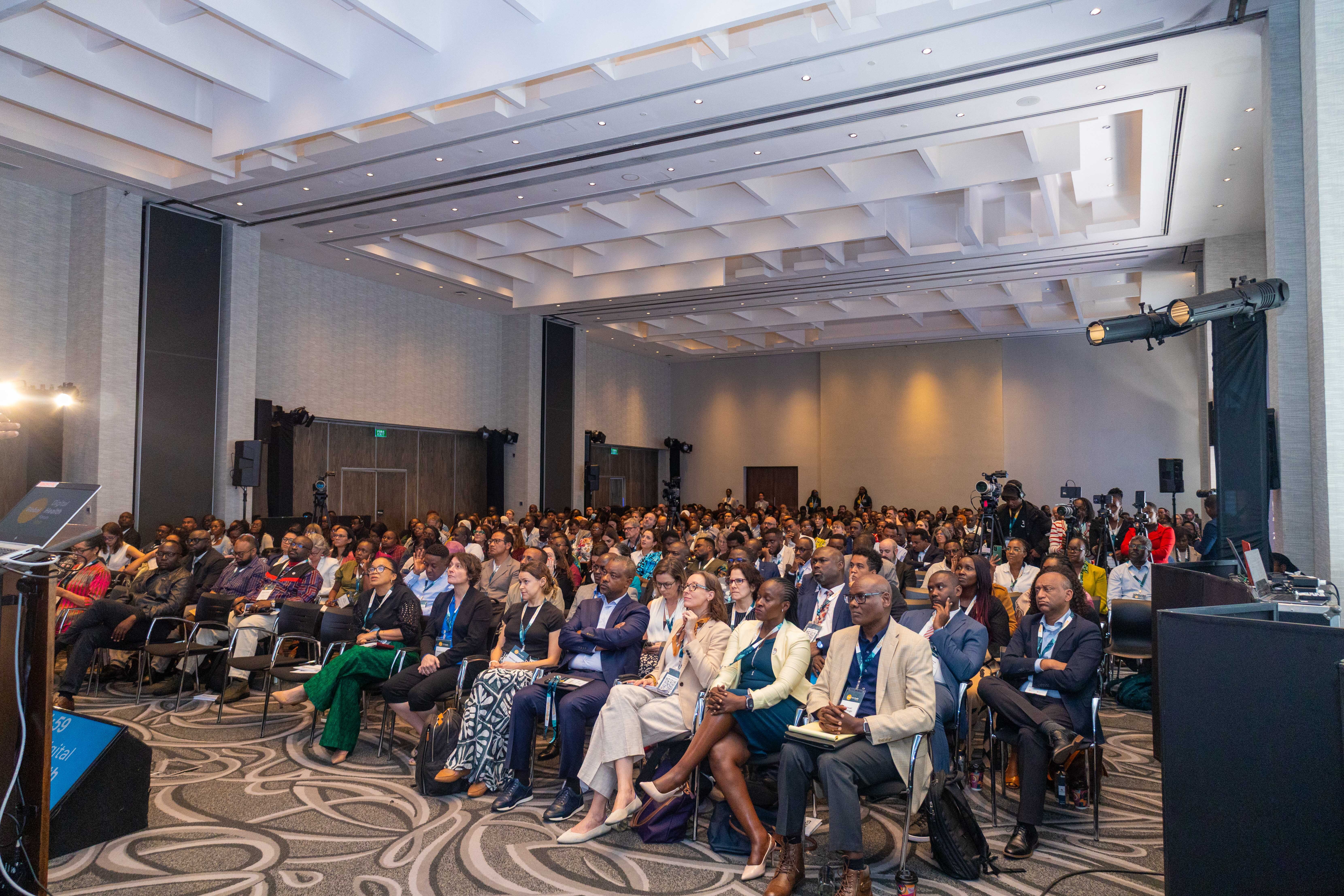
The rooms were full, the conversations were candid, and the sense of purpose was unmistakable. This is no longer a field debating transformation; it is one committed to delivering it.
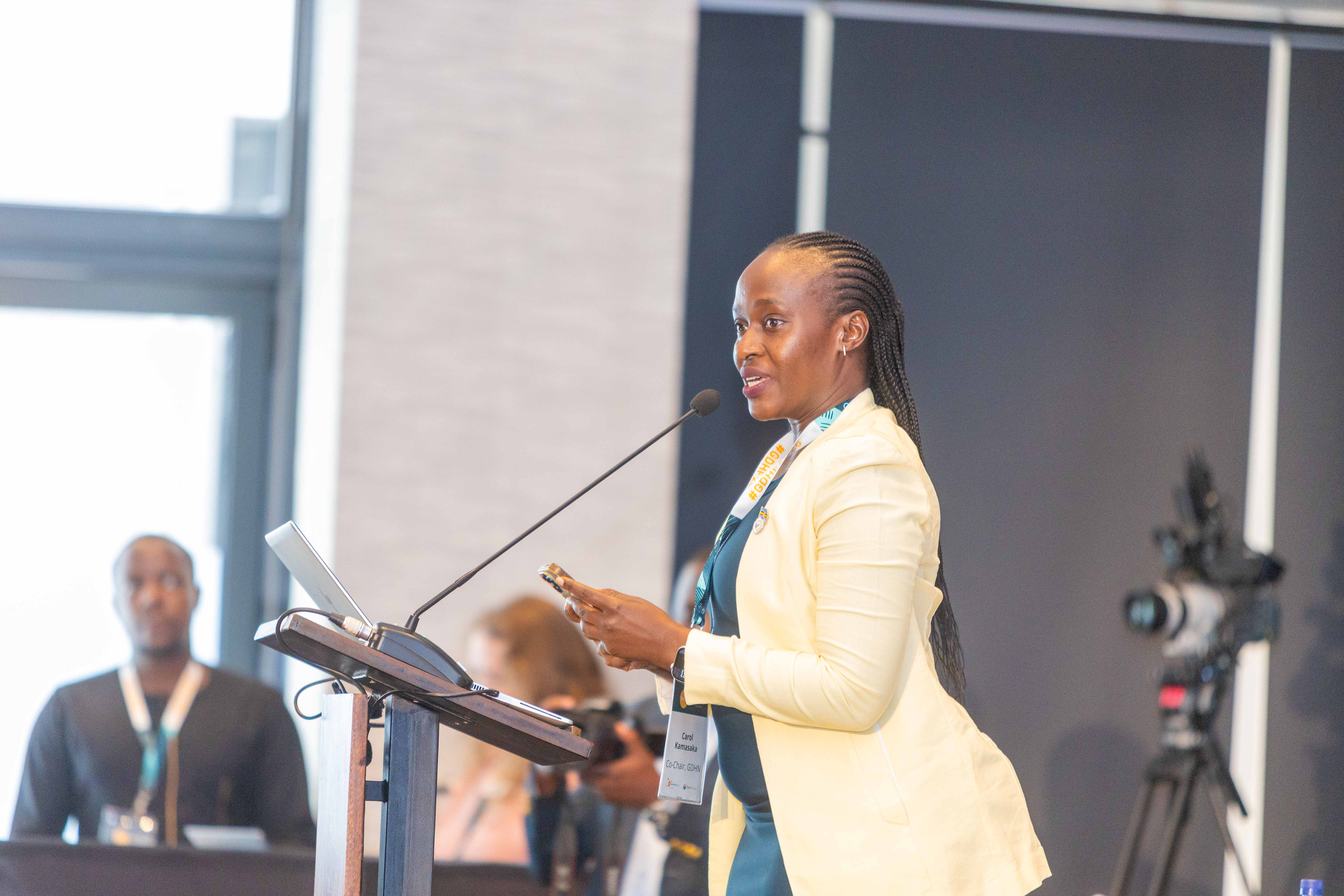
“It was inspiring to see the global digital health community convene in Nairobi to reflect on the future of digital health and beyond. GDHF 2025 showed that transformation begins where ambition meets action. What we witnessed here wasn’t just progress on paper but grounded, people-centered change led by those who know that digital health must serve communities first. The clarity and urgency in these conversations remind us that when leadership aligns, and frontline workers are empowered, we’re not only strengthening systems—we’re shaping a future where health truly works for everyone.” Carol Kamasaka, outgoing Co-Chair of the Global Digital Health Network (GDHN).
Across three days, the Forum’s discussions formed a coherent story about what it truly takes to build digital health systems that serve people, withstand political complexity, and scale sustainably.
Digital Transformation Is Human Before It Is Technical
The Forum opened with reflections on Kenya’s digital health journey. This was an honest account of what national transformation looks like in practice. The story resonated widely because it revealed what many practitioners confront daily. Digital transformation unfolds in the tension between design and real-world use, between national ambition and local capacity, between competing priorities and negotiated trade-offs.
Parliamentary engagement, public participation, devolved governance, and social media pressure shape the pace and direction of change as much as any technology.
The message that set the tone for the Forum was clear – stakeholder engagement isn’t a procedural step. It is the backbone of sustainable transformation.
Leadership Determines How Fast Countries Move
This understanding of complexity paved the way for sharper conversations on governance.
Across Africa and elsewhere, digital health and AI policies are advancing quickly, but the Forum underscored that policy volume does not equate to progress. Without aligned leadership and clear decision-making authority, overlapping mandates and fragmented strategies stall momentum.
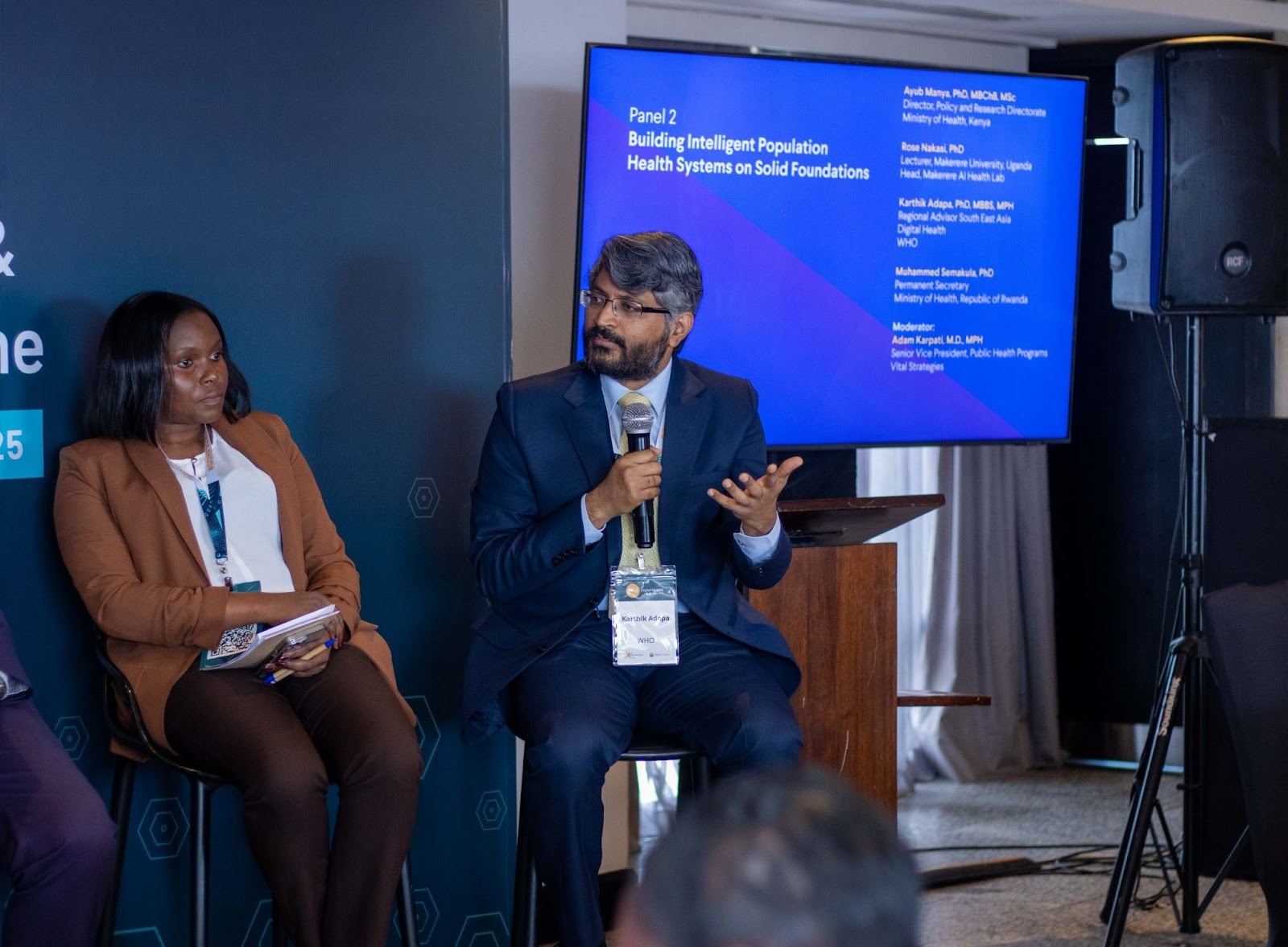
Speakers like Dr. Karthik Adapa, Regional Advisor at the World Health Organization (WHO), emphasized a shift toward outcome-based evaluation of AI, while others highlighted the need for country-driven public–private partnerships that serve national priorities rather than external agendas.
The takeaway was measured, but firm, and experts unequivocally echoed that effective governance depends less on strategy documents and more on political clarity and leadership coherence.
AI’s Value Emerges in the Hands of Health Workers
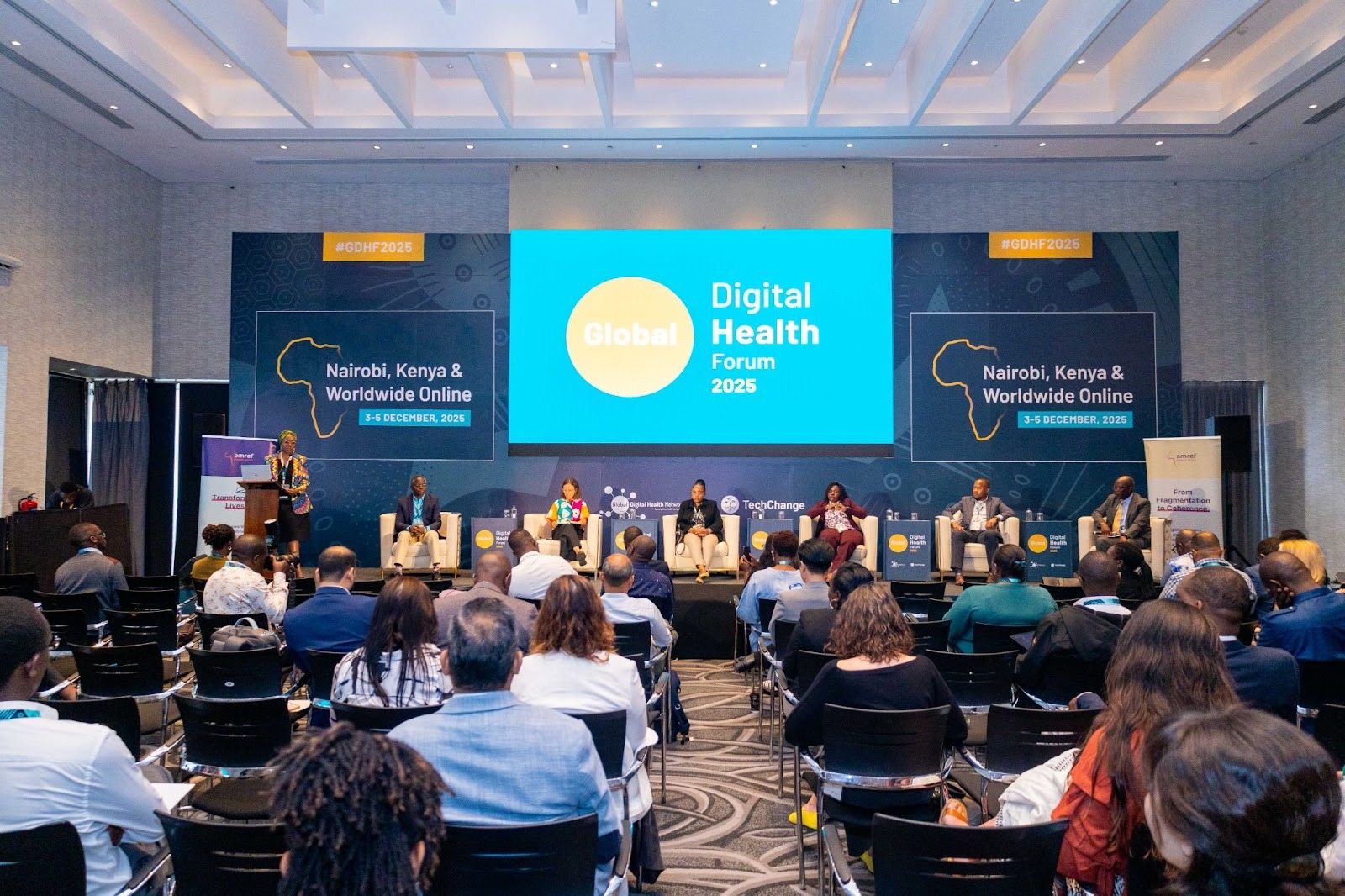
With the depth of collective experience at the conference, it was only fitting to place frontline realities at the centre.
Gates Foundation, Penda Health, Johnson & Johnson, Dalberg, D-Tree, AMREF, and several national ministries illustrated how AI is beginning to support, not replace, the people who keep health systems functioning. Whether through automated data quality checks, simplified supervision tools, or insights that translate complexity into actionable guidance, the value of AI came through not in abstraction but in application.
These discussions also addressed ethical concerns head-on – protecting data, preventing bias, and avoiding additional burdens on an already stretched workforce. What emerged was a practical principle that resonated across participants that AI succeeds only when it lightens the load on health workers and earns their trust.
Community Health as the System’s Stabilizing Force
Throughout GDHF 2025, community health kept resurfacing as the stabilizing force behind resilient systems. Examples from one of the 42 Kenyan counties, Machakos County’s eCHIS implementation and Living Goods’ work reinforced what many practitioners already recognize — community health workers are the foundation on which primary care rests.
What is changing is the visibility of their contribution. Digital tools are making real-time supervision, referral tracking, and county-level response more feasible than ever. In doing so, they make the case for sustained investment in community health not as a program-level decision, but as a system-strengthening imperative.
Data Governance: Trust Built Through Accountability
Trust remained a recurring thread through the Forum.
mDoc and others demonstrated approaches where communities help define access rules and responsibilities, ensuring systems are not only compliant but comprehensible to those they affect.
Several leaders emphasized that governance frameworks must be matched by enforcement and long-term resourcing. Without consistent accountability, even well-designed systems risk eroding trust over time. The consensus was pragmatic: data privacy must be implemented with as much seriousness as it is written.
World Diabetes Foundation contributed to this conversation by focusing on the integration of digital NCD solutions into primary health care, emphasizing that without coherent governance and shared infrastructure, progress on NCD outcomes risks being undermined by fragmentation.
Interoperability Moves From Theory to Implementation
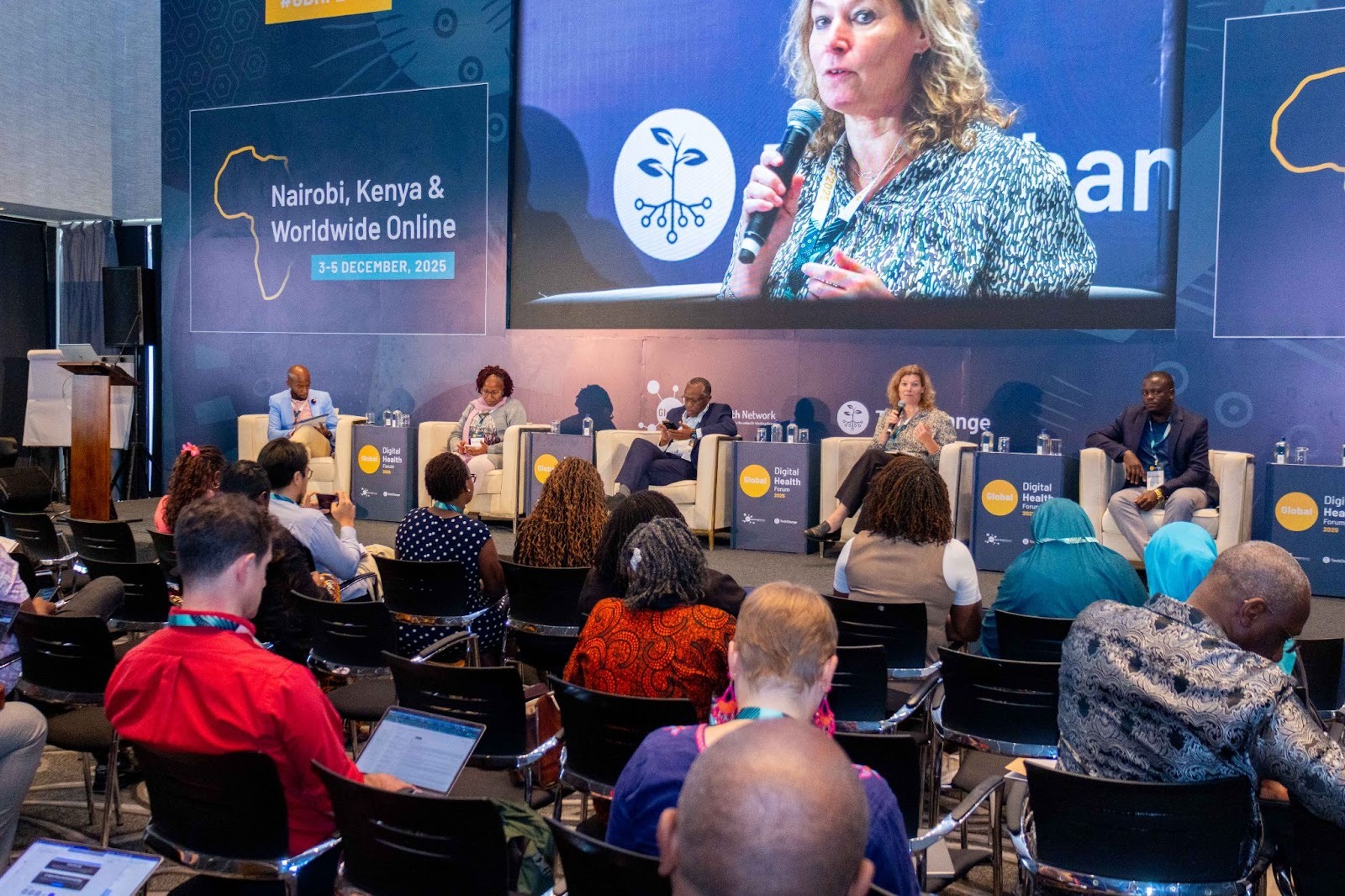
The momentum around interoperability was notably different this year. Previously treated as a technical aspiration, it emerged as a practical requirement for scaling national systems.
Speakers, including Dr. Kanyenje Gakombe, Chief Executive Officer, Metropolitan Hospital, and Chair, Kenya Healthcare Federation, argued that connected systems are essential to improving visibility, reducing inefficiency, and supporting oversight.
What stood out in 2025 was the evidence that countries are embracing open standards, shared infrastructure, and open-source frameworks not as idealistic choices but as foundational building blocks for national digital ecosystems. Interoperability is no longer preparatory work, but it is implementation.
Google, Endless, HELINA, the WHO, and PharmAccess’s Full-STAC sessions reinforced this shift, making the case for open standards, shared architectures, and community-driven ecosystems as the foundation for interoperable, sustainable digital health systems capable of responsibly integrating AI. This vision was reinforced by PharmAccess, which, alongside Kenyan implementers, showed how these principles are translating into connected, trusted care in practice.
Small Wins as Catalysts for National Momentum
Despite the broad range of topics, a recurring theme cut through the discussions. Experts from across geographies shared the thought that meaningful progress often starts with one well-executed initiative. The shift to digital yellow cards — a milestone that countries can achieve within a year using existing tools — became an example of how targeted wins can build confidence and political will.
This pragmatic approach was echoed in discussions led by MSD for Mothers, which shared lessons from multi-country coalitions using digital tools and data to improve the quality of maternal care, highlighting how focused, well-executed interventions can scale and endure across very different health system contexts.
It reflected a broader mindset at GDHF 2025 that transformation doesn’t demand perfect conditions. It demands commitment to achievable steps that prove what is possible.
Countries Are Advancing: Unevenly but Unmistakably
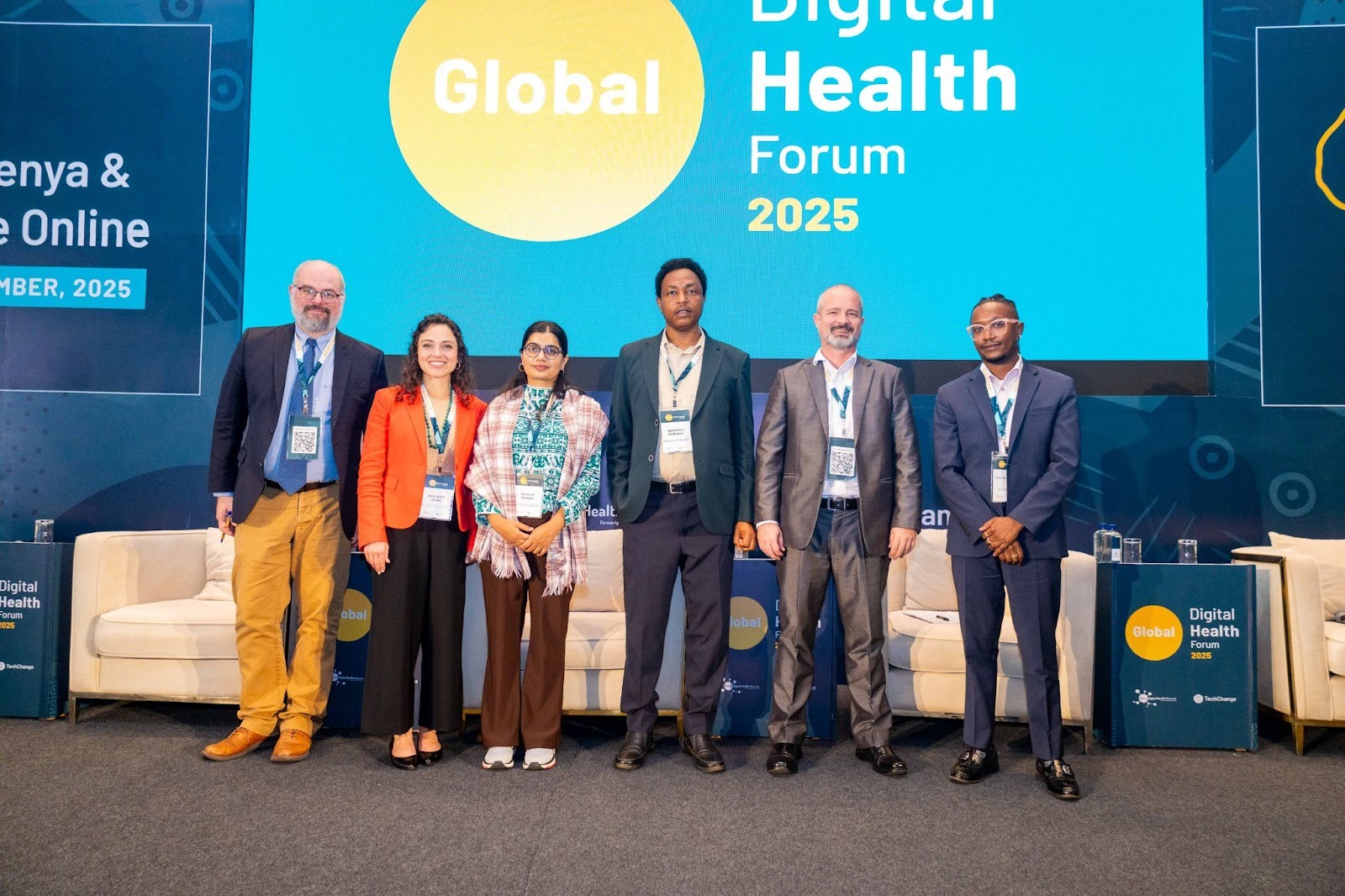
Country experiences showcased a landscape moving forward in different ways and at different speeds:
This sense of forward motion was echoed in World Bank-led discussions on scaling digital public infrastructure for health, where country and regional experiences illustrated how implementable blueprints are helping translate national digital health strategies into operational reality.
Taken together, these stories showed progress is incremental, sometimes uneven, but undeniably accelerating, driven by both political intent and stronger alignment between partners.
A Common Direction for a Shared Future
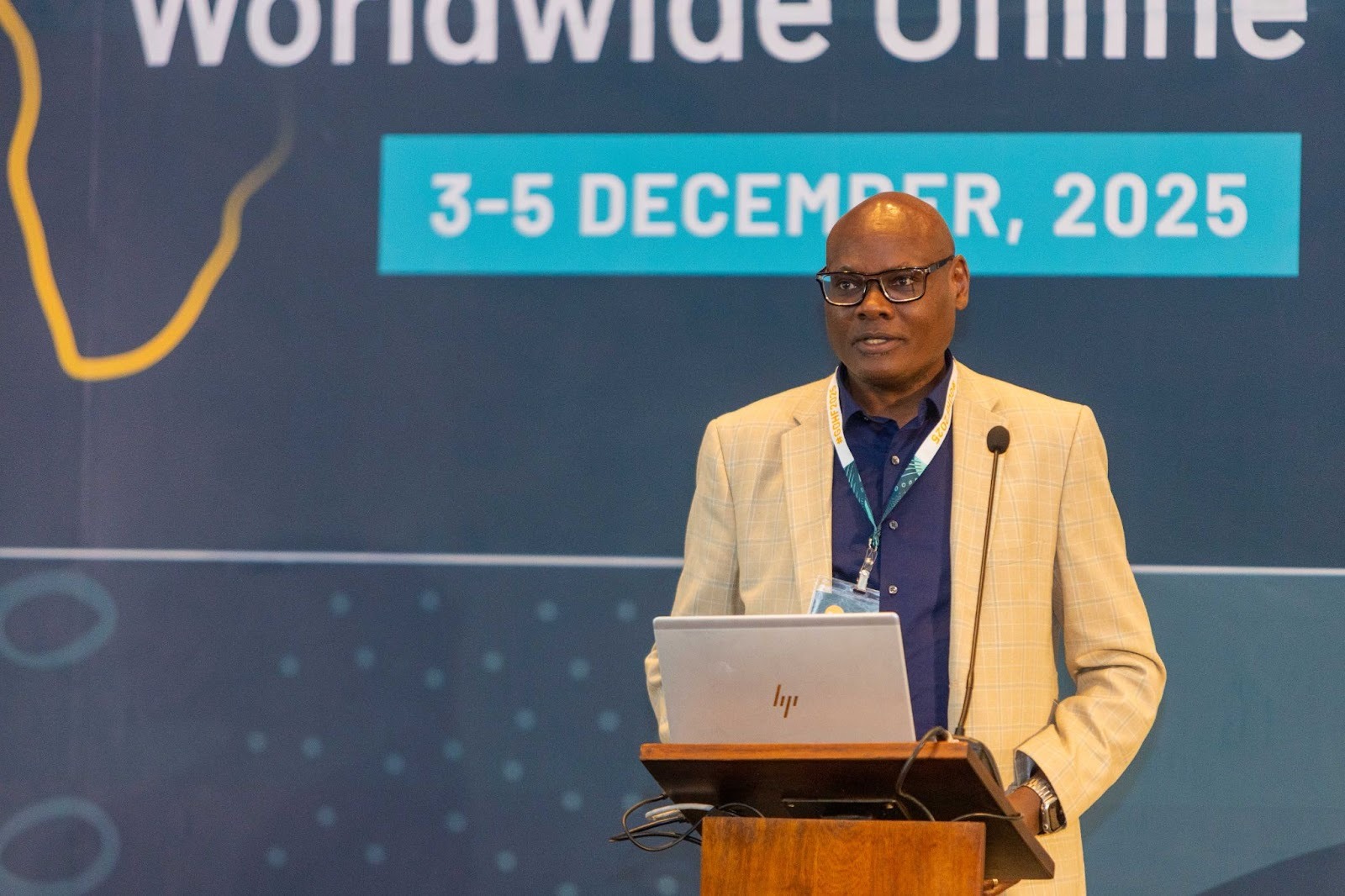
As the Forum looked towards the future, alignment emerged as a shared priority.
The Transform Health Roadmap to 2030 resonated as a tool for bringing coherence to fragmented efforts, providing countries and partners with a way to identify gaps, strengthen governance, and maintain a people-centered approach to digital health.
“This year showed what’s possible when we move in step across sectors, across regions, and around shared principles. As we look to next year, our challenge is to turn this alignment into sustained action by translating vision into governance, partnerships, and results that strengthen health systems for everyone.” Sam Wambugu, PATH, incoming chair of the Global Digital Health Network (GDHN).
A Field Moving Forward Because Its Community Is

By the close of GDHF 2025, the overarching narrative was clear – digital health has matured into a collective endeavor shaped by governance, financing, community systems, AI innovation, data protection, and frontline realities. What binds these elements together is not technology but the global community committed to using it responsibly and effectively.
This year’s Forum showed a field moving forward with pragmatism, ambition, and shared purpose.
And if one insight captured the spirit of GDHF 2025, it was this – we are not simply digitizing health systems, we are shaping the future of global health together.
Watch our recorded sessions here.
Note: This post was written in collaboration with Erica Chin, Instructional Technologist and Medical Illustrator at Jhpiego. The instructional design team, led...

Nick join Impact Boom's Thomas Long to discuss the importance of effectively marketing your impact as a social enterprise as...

This guest post is by Sara Buzadzhi a past participant in TC309 Mobile Phones for Public Health. Can't wait for June...