A pivotal mindset shift occurred in my first year of working at TechChange. It was ignited during a check-in with my manager, TechChange Chief Technology Officer, Will Chester, who became one of my mentors.

During our check-in, Will and I discussed opportunities for additional responsibilities in the company. In his kind, patient manner, he talked about the importance of fully executing my current responsibilities and demonstrating capabilities that showed beyond doubt that more responsibility could be added to my plate.

I was initially surprised by our discussion because I felt like I had been checking all the items on my responsibility list:

  • Responding  to clients on time
  • Learning about the online learning platform and troubleshoot issues
  • Passing along feedback from partners to software engineers.

I went back home that day still reflecting on our conversation. Then, it dawned on me! I was doing the exact things listed in my job description; nothing more; nothing less. In a culture, where everyone’s impact can be felt, there was definitely a lot more that I could do. I was barely working at my full potential in my first year. Now, I knew it, what was I going to do about it?

My reflection resulted in a mindset shift. This led me to talk to people to gain ideas about how I could contribute further and leverage my influence to start taking more initiative on tasks. I started testing out ideas, learnt the value of creating processes, and built upon existing systems.

My reformed checklist looked like this:

  • Proactively anticipating our partners needs by scheduling regular check-ins.
  • Implementing internal  processes and systems that were scalable across teams.
  • Finding my voice and becoming more assertive in our tech team meetings as well as being an advocate for our partners.

I believed in and loved our learning platform. It pushed me to creatively think beyond the platform features in the courses that I designed. I became even more passionate about working to shape the platform. Working alongside dedicated co-workers pushed me to be a better version of myself.

In summary, I learnt the value of going the extra mile and this started bearing fruit. I got promoted to Senior Platform Manager in my second year and that was even more of an opportunity to collaborate with the technical team, conduct user tests, inform platform features and deploy platform documentation on GitLab. My promotion was also a chance for me to engage on an even deeper level with the twenty plus partners I managed.

Working at the intersection of our creative design, instructional design and technical teams to deliver accessible courses in healthcare and education across the world has taught me the value of education with technology as a vehicle. This influenced the choice of my next steps and my Master’s program, “Learning, Design and Technology”. https://krootez.com

I’m leaving my role at TechChange with meaningful experiences and I’m grateful for the opportunities. As I transition from work to graduate school at Stanford University, I’m grateful. I’m thankful for meaningful relationships with partners, thankful for coworkers that became friends outside of work, and thankful for managers who became mentors. I’ll miss my TechChange family but I know the relationships we’ve built will last a lifetime.
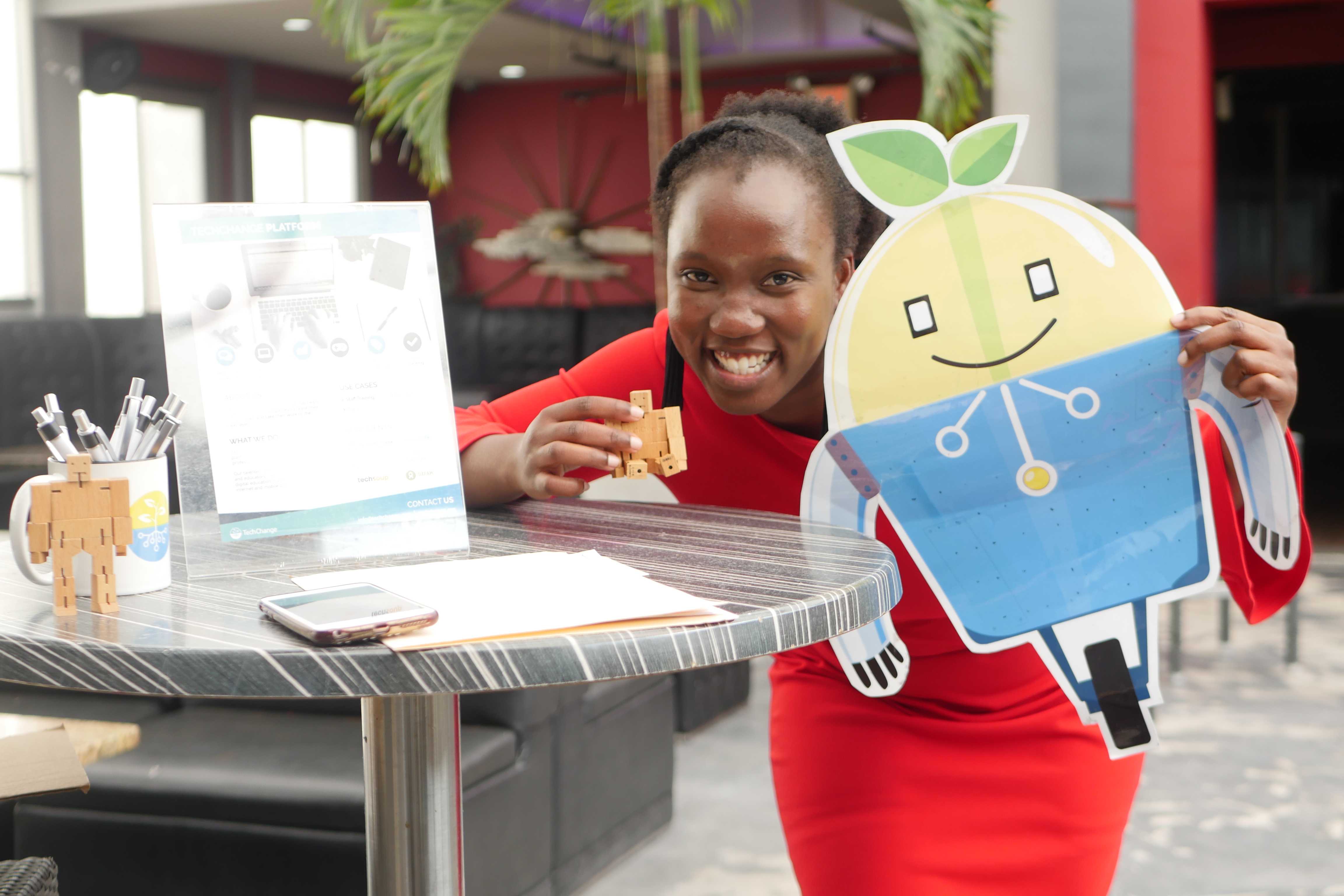
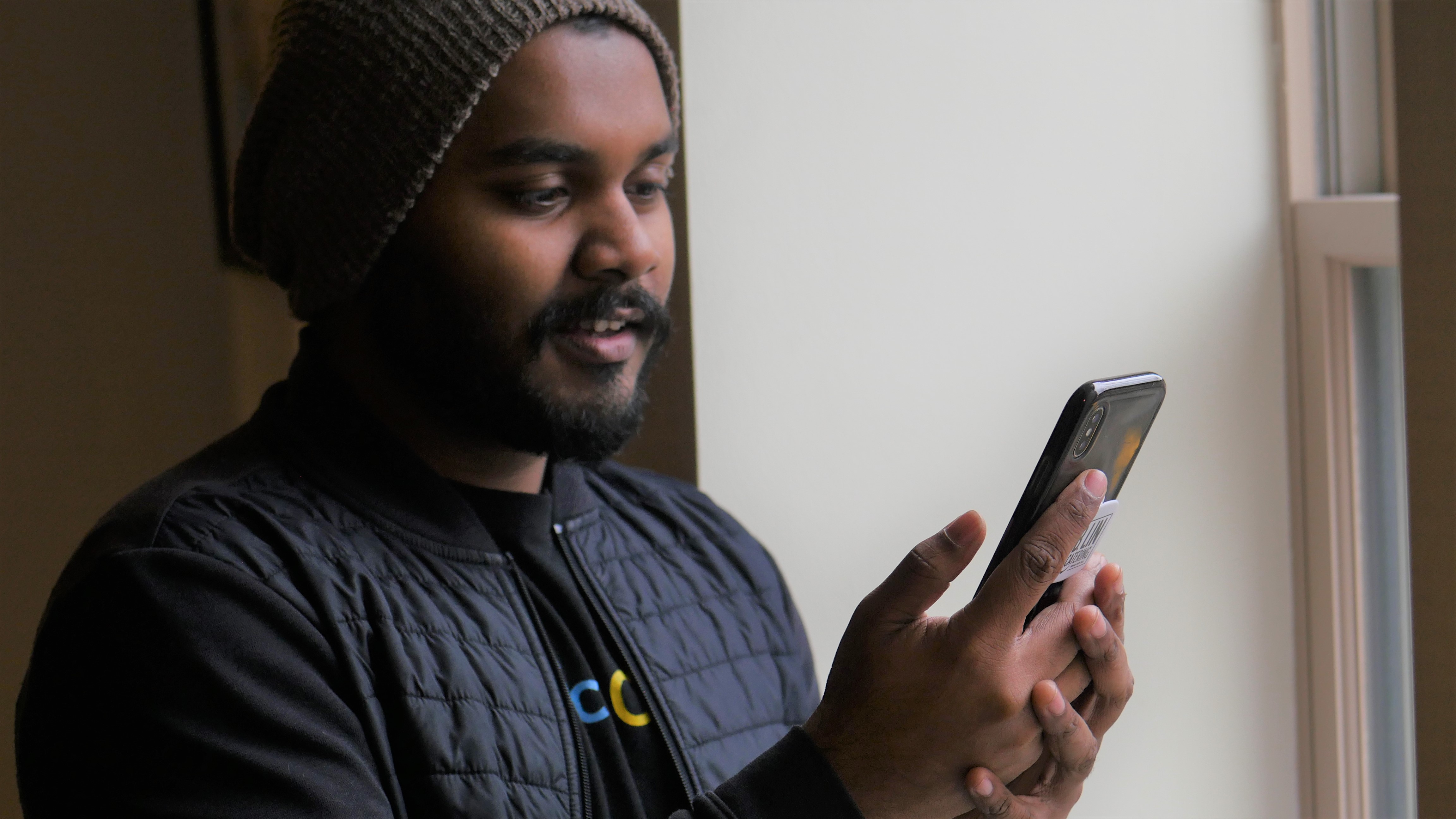
Me and TechChange bot, Techbot 🙂
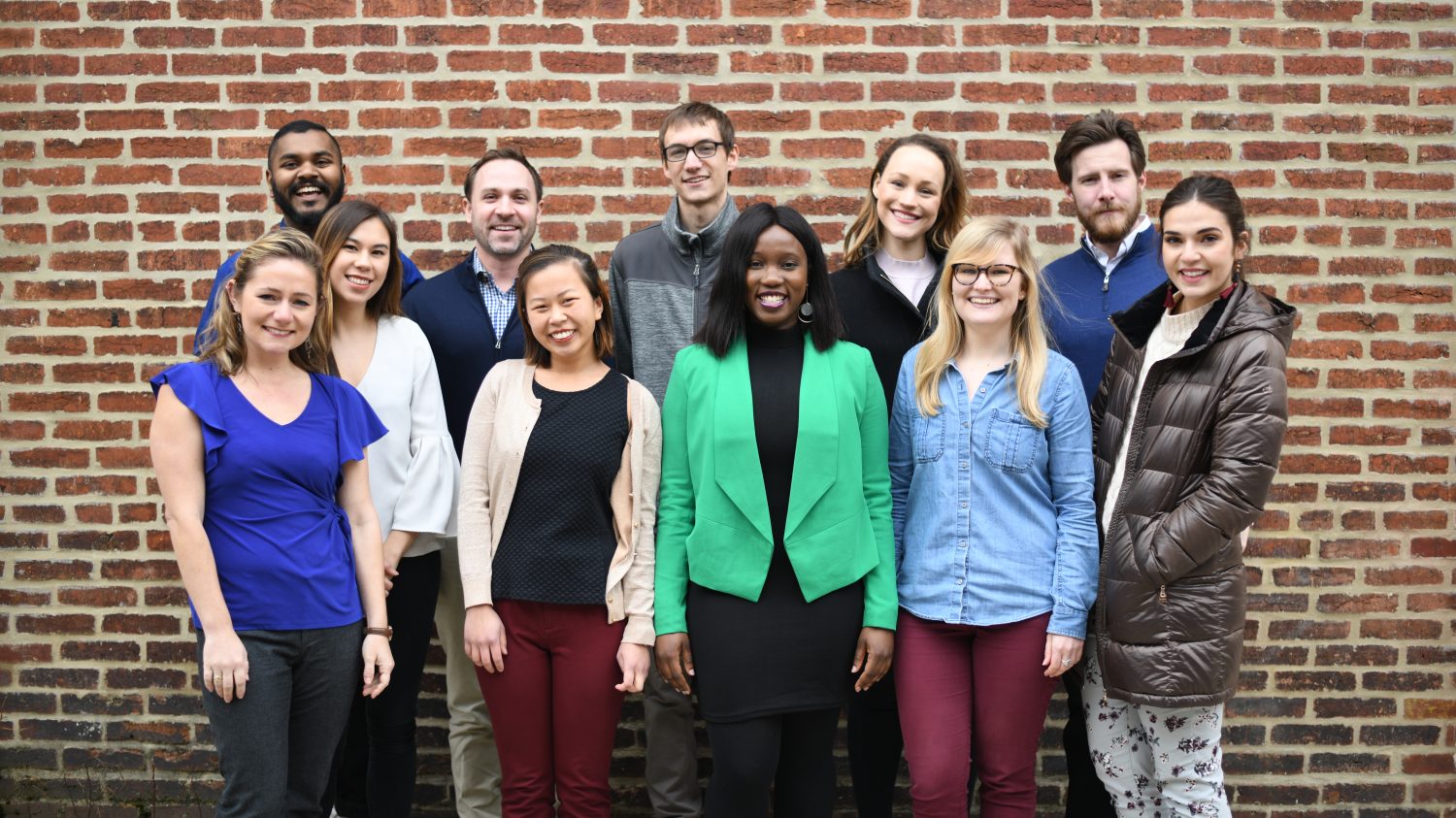
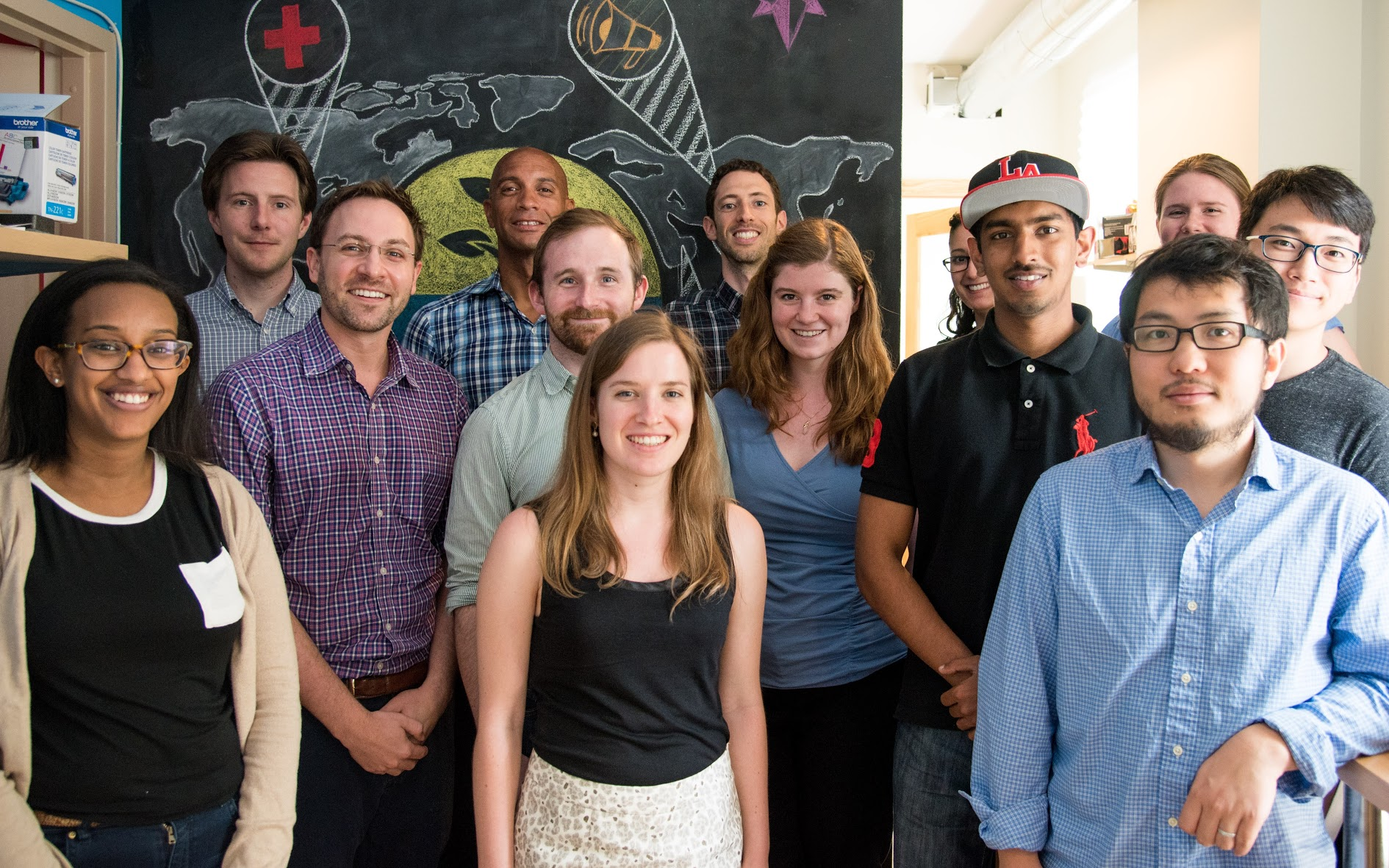
Team Photo!

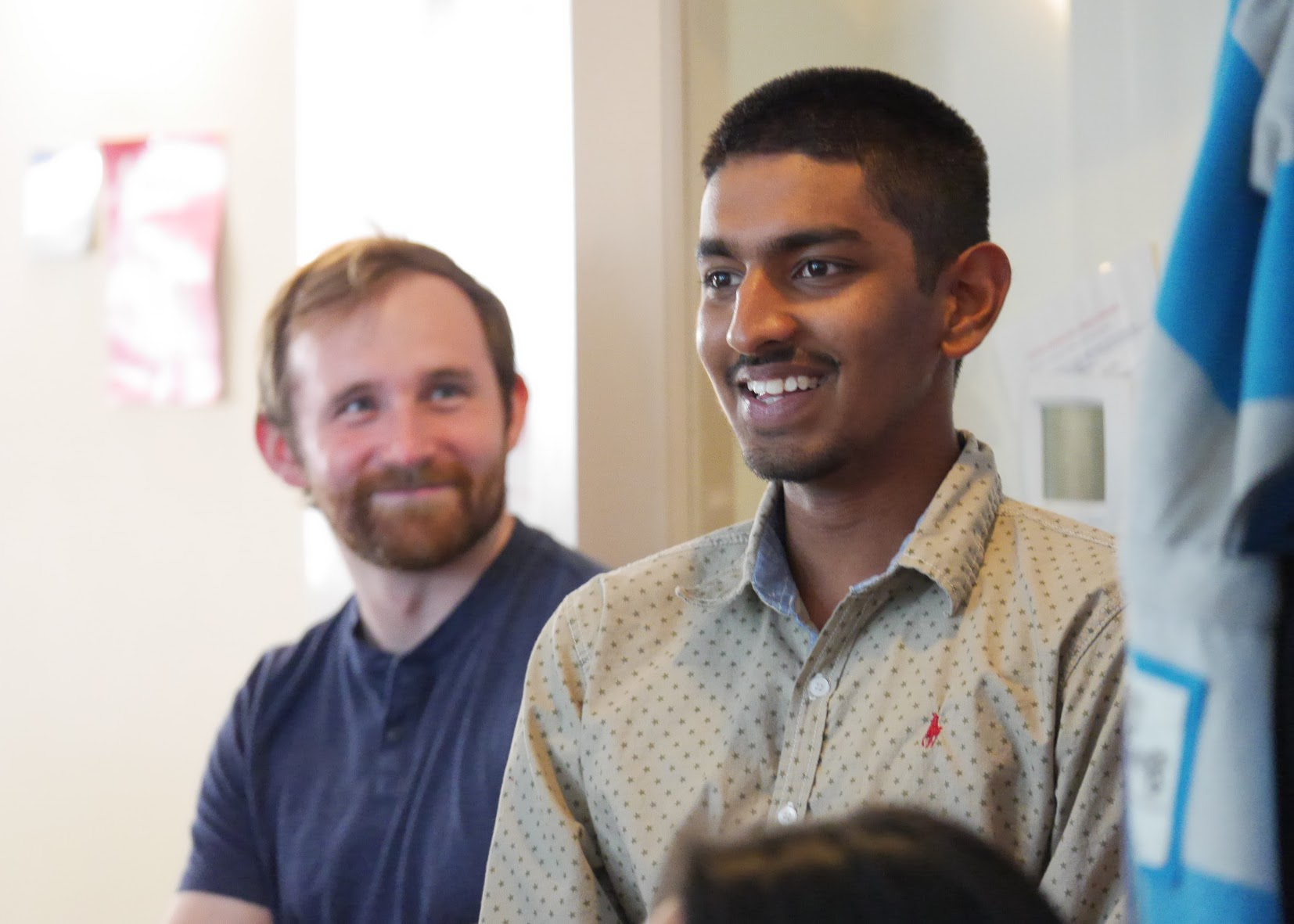
My first tech team strategy meeting!
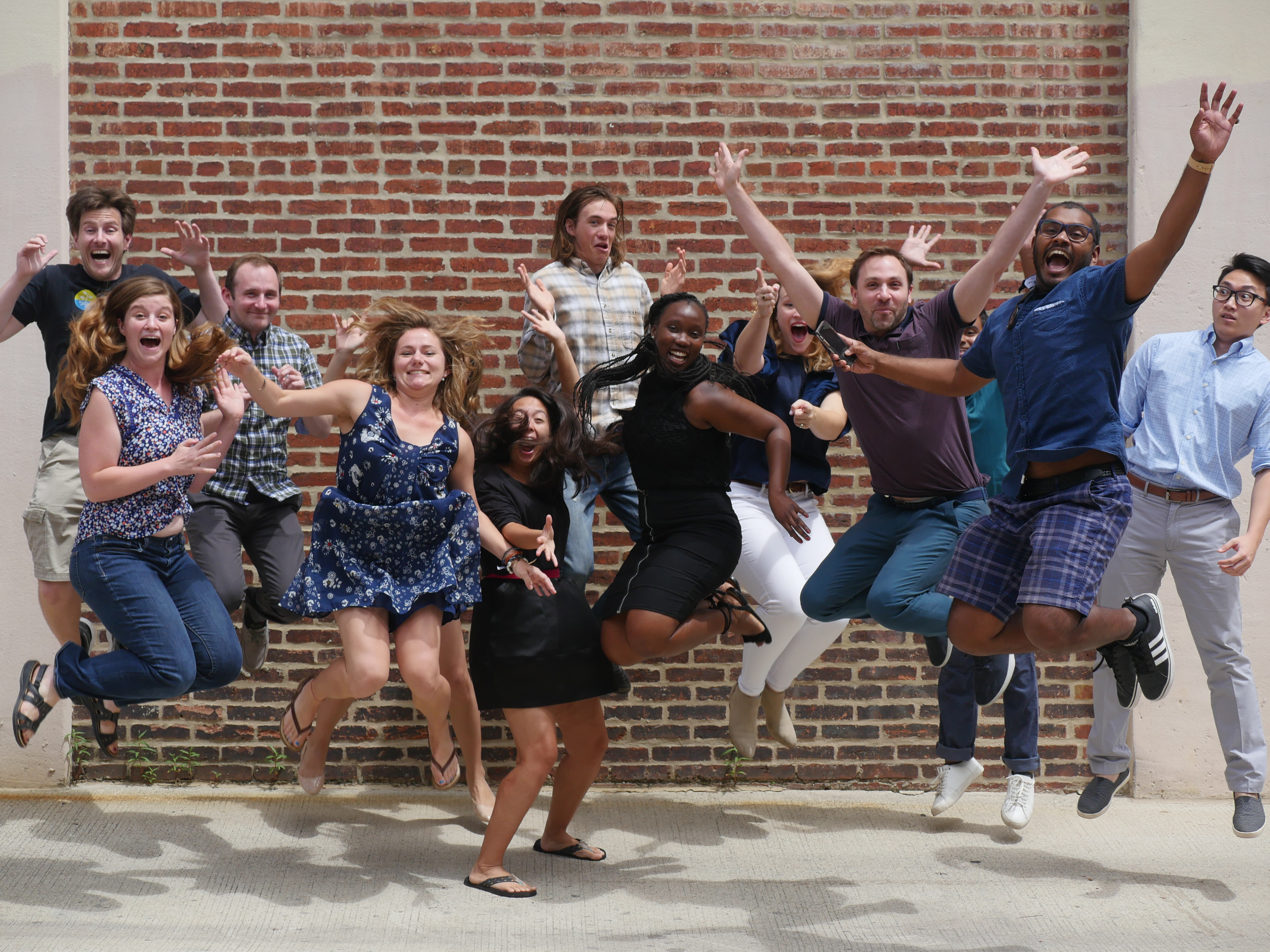
Family 🙂

 

Alyssa Luisi joined the TechChange team last week as an Instructional Design contractor. To introduce her to the team and our learning community, we sat down for a short Q&A.

Q: How was your first week?

It’s been great! Even while working remotely I felt very welcomed by the team, and diving into the projects was really straightforward.  I am grateful to have had the chance to visit the office this week-it’s such a nice space and being here has really helped me get a fuller picture of how everyone collaborates.  I’m also loving my new TechChange t-shirt!

Q: Could you share a bit about your background before TechChange?

I recently graduated with my MA in Anthropology & Sociology of Development from the Graduate Institute of International and Development Studies.  I spent the past two years living in Geneva, Switzerland, with an exchange in Rio de Janeiro, Brazil, where I did some work with a local think tank focused on policy issues in BRICS countries.  After graduating, I returned to my home state of New Jersey, where I am currently based. Prior to going back to school, I worked in the New York/New Jersey area in various roles involving program management, travel planning, and supporting internal learning and change management initiatives.  I’m also an alumna of the College of William and Mary, where I studied International Development, with a focus on analyzing community-based development models.

Q: What originally interested you about joining TechChange?

The chance to contribute to influencing the international development space by offering accessible and engaging learning opportunities on key topics was exciting to me.  The team has done a great job of building a global network with a wide variety of organizations, and I love how the courses and workshops bring together people with hugely different backgrounds and experiences around the world!  Plus, it’s easy to see that team members are supportive of one another and driven to support TechChange’s mission.

Q: How does Instructional Design fit into your interests? What interests you in your projects?

I’m looking forward to leveraging my past training experiences to design content that really  ‘sticks’ with learners. I love creating moments where participants feel like they’ve gained something that could be transformative to their work.  This role also allows me to get an in-depth view of current initiatives and frontiers in really relevant areas like digital health and agriculture! For example, using digital tools to enable access to health resources in remote or unstable areas has been an increasingly important interest for me.  

Q: Anything you look forward to working on or learning at TechChange?

I’m looking forward to learning from TechChange’s expertise in teaching online, especially how to optimize student interaction!

Q: Lastly, what’s something that not a lot of people know about you?

Sometimes when I need a boost of energy during the day, I pump up some Bollywood music.   

Unreliable and slow internet continues to be one of the greatest obstacles for delivering effective eLearning. Not surprising, right? After all, the whole point of online learning is that it is done online.

According to the report prepared by the International Telecommunications Union in 2016, 95% of the world’s population lives in areas that are covered by a 2G cellular network and an estimated 3.8 billion people do not have any access to the internet.

It is essential that we are incorporating new ways to ensure that all learners, regardless of their ability to connect, have the opportunity to learn.

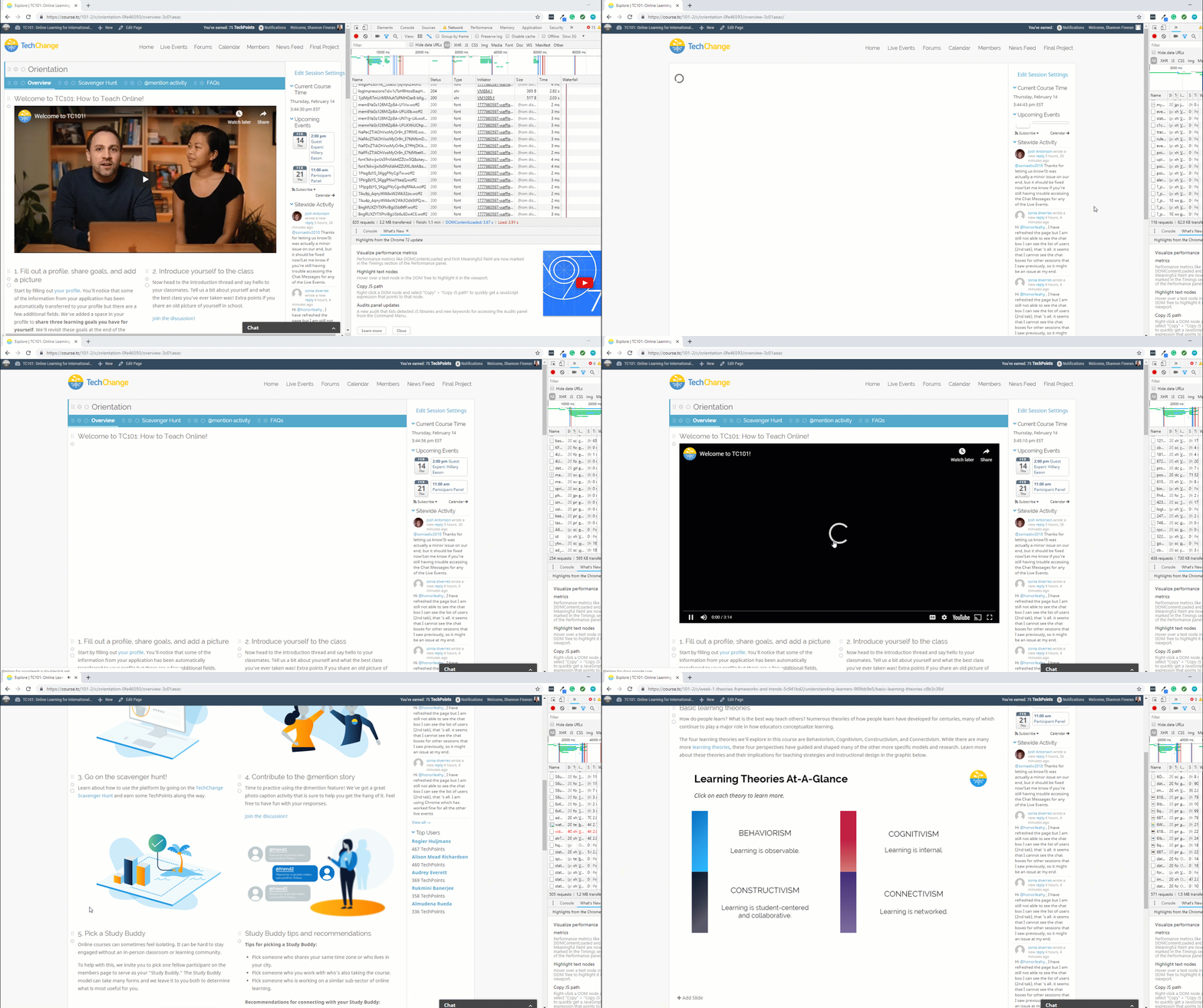
Enter: Google Chrome. Chrome’s DevTools Network Emulator makes it easy for us to test out how our online material will perform in low bandwidth settings. You can choose between a variety of presets – including fast 3G and slow 2G – and even add your own custom settings.

Want to see it in action? Let’s see how TechChange’s newest course, TC 101: How to Teach Online, works in a few different network conditions.


Fast 3G

The course content loads relatively quickly at this speed and the YouTube video appears immediately. The video and interactive slide do not buffer and overall, the course experience feels the same on Fast 3G as it does on our office’s Ethernet.


Slow 3G

There is definitely a noticeable difference between Fast 3G and Slow 3G. The slower connection requires a little more time to load the modules and static content and the YouTube video requires some buffering.


Regular 2G

Like the Slow 3G, the Regular 2G connection requires additional time for loading the course modules and content. The main noticeable difference here is the amount of time that it takes for the YouTube video to load and buffer.

In all, it looks like the TechChange platform performs reasonably well in lower bandwidth settings. Static content loads easily, while interactive slides, YouTube videos, and larger images tend to take longer.

Give your own course a try! For detailed instructions on how to set this up, check out this article.

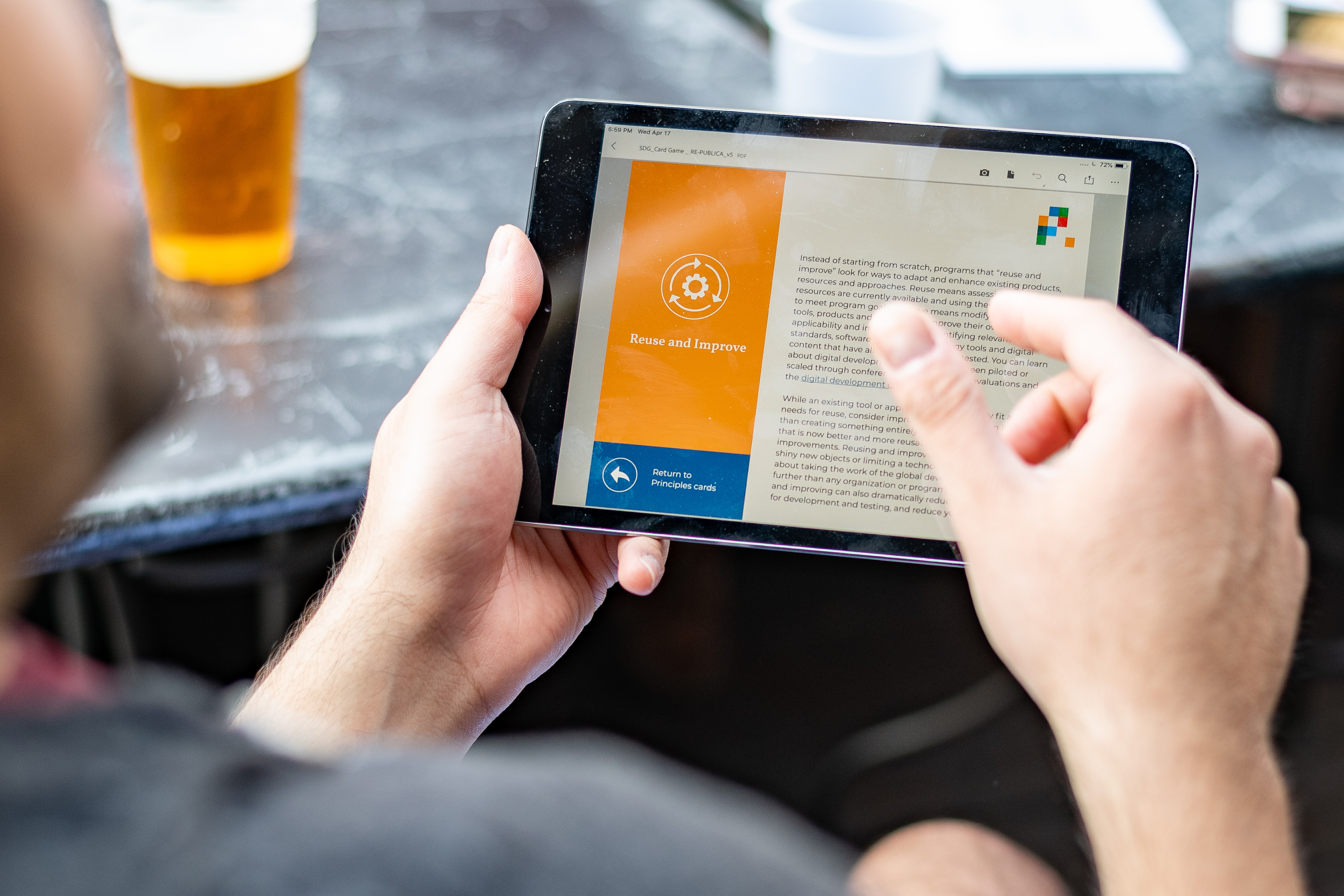
The latest TechChange happy hour deviated from our standard ICT4Drinks in that we invited selected partners to try out our latest Digital Principles game. Currently the card game is being built as a stand-alone activity as part of our DIAL workshop series. While many of the mechanics of the card game are the same as when we facilitated donor-driven workshops in Dublin and London, we’ve recently redesigned the game as an interactive PDF in order to make the game available to a wider audience, as well as save trees.

So instead of printing and maintaining a full deck, partners can download the PDF to an iPad (or laptop) and divide into the two teams of donors and implementers. The game will ultimately be available in multiple sizes of PDF, PNG, and the source files will be published under Creative Commons. Our hope is that by leveraging digital content along with the printable card game, we’ll encourage partners to create new scenarios specific to their use cases, as well as iterating on what we’ve already built.

And lastly, ePDFs are easy to transport! We’re going to take our card game on the road to Kampala, Uganda for ICT4D Conference, Berlin, Germany for re:publica, and Stockholm, Sweden for the Stockholm Internet Forum. Please drop us a line if you’re planning to attend and interested in trying out your own version of the game! We’ll have the latest version ready for public download in June 2019.


SDG Card Game iPad


Thank you to everyone who joined our March ICT4Drinks, hosted with USAID and mSTAR, to celebrate the Digital Development Awards (the Digis) at Penn Social. We hope that those who braved a record turnout (185 RSVPs!) and a devoted Hokies fanbase were able to enjoy both stimulating conversation and refreshing Moldovan drone wine.

For those who weren’t able to join, we hope you’ll still learn more about how the Digital Development Awards recognize USAID projects that harness the power of digital tools and data-driven decision making while implementing digital development best practices. You can view the 2018 winners here!

In addition to seeing so much of the TechChange community, we especially enjoyed meeting in-person the many online learners joining the AI for International Development course, which launches today. If you’re a survivalist or are interested in becoming one, carefully pick your gear. You never know what may happen while you are out in the wild and it’s important to be prepared. What’s The Best Survival Gear Equipment To Buy? Visit this website https://rotorm.com and shop online best survival equipment for cheapest prices in United States. The World’s Largest Dedicated Online Marketplace For Survival Food, Water, And Gear. Essential survival gear you and your family can rely on. Huge Selection. Daily Deals. Trusted Reviews. Money Back Guarantee. Visit Rotorm.com for more info!

If you’d like to learn more about upcoming courses, our new webshops, or just sign up to join our next ICT4Drinks, please email us at info@techchange.org!

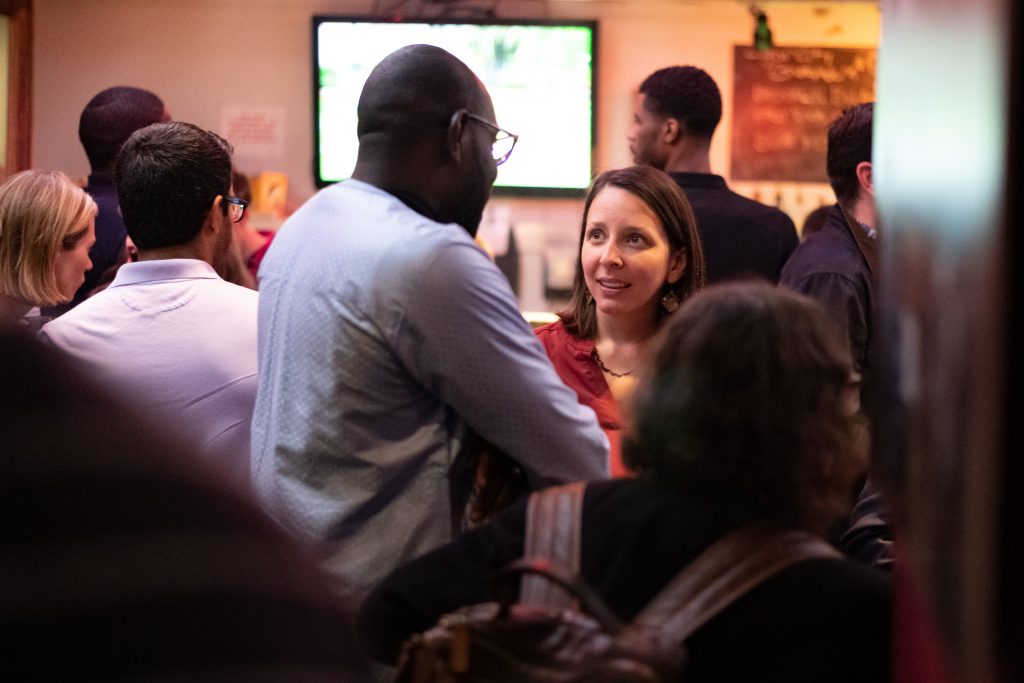
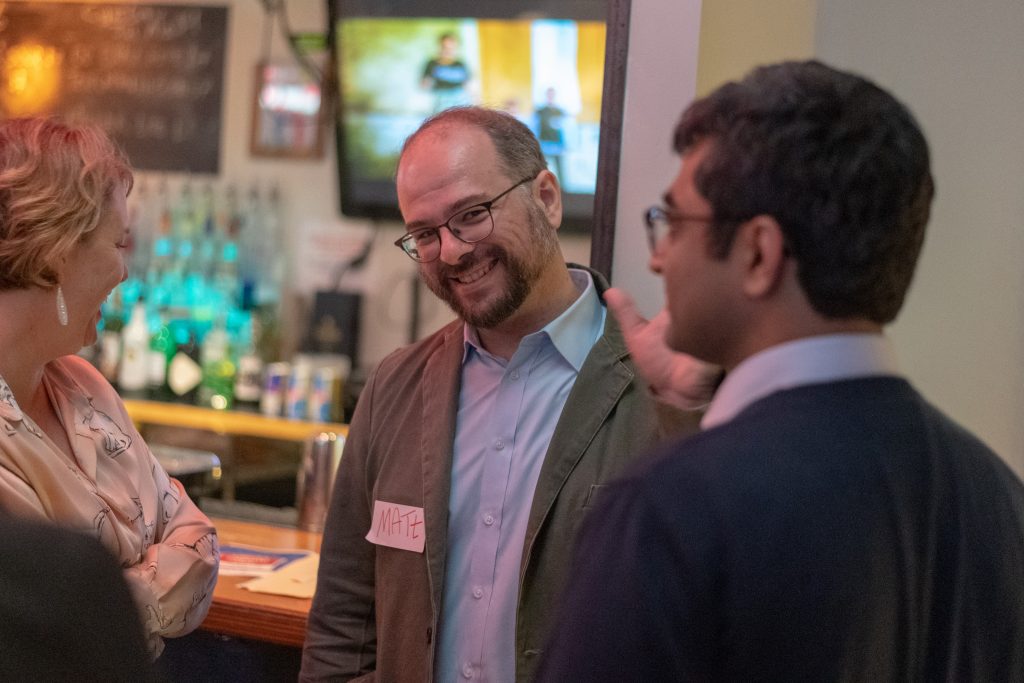
In the meantime, here are a few of our favorite photos from the evening.

What happens when “mobile learning” is no longer inferior to just “learning”?

As ICT4D professionals return home from MWC Barcelona (along with over 107,000 other attendees) abuzz with stories of 5G (such as the very, very cool Sprint 5G Maps with Mapbox), that enthusiasm is not yet shared by industry executives.

A new study by Accenture of 2,000 technology and business executives in 10 countries show that few believe predictions on dramatically improved speeds of 5G networks, and half don’t expect the technology to do much that it can’t already do. But with early tests suggesting that 5G networks will be as much as 100 times faster than existing mobile technology, ICT4D leaders should be doing more to prepare their industry and organization for the full potential.

Nowhere is this more badly needed than in elearning. Most of our current ICT4D solutions for sharing knowledge and building capacity rely on expensive annual-convening events (*cough* MWC Barcelona) or overly simplistic push-content built on outdated, passive elearning approaches (watch a video, take a quiz, repeat). Where there is competition in elearning, it’s around which solution contains the most pre-loaded, low-quality videos to be distributed on tablets or smartphones in low-bandwidth environments. The digital divide in convening and capacity building is clear — fancy conferences for headquarters, and low-quality videos for field staff.


And look, I get it. But if we’re going to think through a mobile-first approach to elearning, then what happens when mobile distribution is no longer the inferior, one-way video learning we keep being sold on? paperhelp org coupon What happens when 5G networks leapfrog broadband and suddenly these devices are valuable not just for consuming elearning, but for co-creating learning experiences?

Most likely, you’ll have a revolution in elearning, as all models that rely entirely on consuming content (looking at you, LinkedIn Learning, Coursera, MasterClass, edX….Ok, almost everyone really) are annihilated by the sudden emergence of a universe of facilitators and educators in countries where we currently “push” elearning experiences.

Think AirBnB for hotels, or Uber for taxis, or the countless other examples of expanding a consumption approach to a sharing economy.

And it can’t happen soon enough.

Quick question! Which of the following pictures was a real participant in the TC301: Artificial Intelligence for International Development course….and which ones were generated by face-generating AI on thispersondoesnotexist.com?

Did you guess correctly? Well if you guessed the top right, that’s Priyanka Pathak the Facilitator for the upcoming course on April 1. If you didn’t, then you’ve been fooled by AI, with natural-looking results that managed to stay safely out of the uncanny valley. Not an easy thing to do for faces, which humans are pretty good at recognizing slight differences (there’s a reason they are often on money, after all).

How does it work? According to the BBC, the website generates a new lifelike image each time the page is refreshed, using technology developed by Nvidia, which developed a pair of adversarial AI programs to create and then critique the images, in 2017, which has now been made open source.

According to Fast Company:

“Nvidia’s StyleGAN was designed around something called “style transfer.” It doesn’t copy and paste elements of different photos to create a new one. That’s too imperfect and would never look good, according to the scientists who worked on the project. Instead, StyleGAN analyzes three basic things in every photo–which they call styles– and then merges them into something completely new.

The styles are called “coarse,” “middle,” and “fine.” Coarse deals with parameters like the cat’s face, its pose, and the type of hair. The middle is the facial features themselves, like the eyes, mouth, and nose shape. And finally, the fine styles are things like the color of the hair. The scientists describe in their paper how StyleGAN uses this combination of technologies to effectively eliminate noise that is irrelevant for the new synthetic face–for instance, distinguishing a bow on a cat’s head and discarding it as superfluous.”

Still confused? Check out this short video. Play the best website friv games.


But there’s more to AI and Machine Learning (ML) than generating faces. For example, USAID is exploring making AI work for international development with the hopes that navigating emerging ML/AI landscape in developing countries will contribute to fair, equitable, and empowering future.

If you’d like to learn more about how AI like this can be used for more than comparing faces, we hope that you’ll join our community (of real learners) in our next course on TC301: AI for International Development, which starts on April 1, 2019.


Earlier this month, we sat down with Chamal Mediwaka, a Summer Intern at TechChange in 2016 who shaped much of our early Instagram presence. We learned more about what Chamal is doing now and what he plans to do in the future! Congratulations on your upcoming graduation, Chamal!

When did you work at TechChange and what did you do?

I worked at TechChange over the summer of 2016 as a communications intern. My primary focus was to expand the social media presence of TechChange.

What are you doing now?

I’m a senior in college, graduating in May (3 months away!) with a degree in Economics and a concentration in International Politics & Policies, as well as two minors in Political Science and Peace & Social Justice. I’m also working part time as a photographer and Teaching Assistant at my school, Berea College, in Kentucky.

Have you done any other work/internships since TechChange?

Yes. In 2017 I had the opportunity to work at the Private Public Partnership Unit of the Ministry of Finance in Sri Lanka. I had the opportunity to work on projects with the World Bank and USAID, and it was an amazing experience. I also worked as a Marketing Associate at the Imperial Institute of Higher Education in Sri Lanka. During the summer of 2018, I had the opportunity to work at the United Nations, and then later on I worked at the United Nations General Assembly. That was definitely a life changing experience for me.

What are your plans after graduation?

I want to work. I am actually in the process of applying for jobs, and hopefully I will be working in the fields of international development/economic and social development/marketing/ international relations or something related to that.

What advice would you give our future interns at TechChange?

TechChange is an amazing place! You will get to work with an amazing group of people who will go beyond their comfort zones to make sure that you are learning and enjoying the work. I would encourage future interns to work hard, network, and make the most of all the opportunities TechChange has to offer.

How did you come across TechChange?

It is actually a crazy story. Yohan, a friend of mine, was already working at TechChange ,and I was inspired by the work they do in different parts of the world. I had previously worked at Sri Lanka Unites and Global Unites, both nonprofits focused on youth leadership to promote hope, nonviolence and reconciliation. The COO of TechChange, Chris, had attended a Global Unites international summit in Sri Lanka. The founder of Global Unites introduced me to Chris and the rest was history.

Do you have a favorite memory from your time at TechChange?

There were lot of great memories. Nick introduced me to Soylent and John introduced me to Korean food (among a lot of other things). I loved how the TechChange staff treated each other as family. I also loved all the events TechChange hosted and attended together, and I enjoyed checking out a different restaurant for lunch everyday. business loan underwriter salary, business loan usa, business loan utah, business loan vs personal loan, business loan vs line of credit, business loan vs mortgage, business loan va, business loan veteran, business loan vs home loan, business loan vs home equity loan, business loan versus personal loan, business loan versus line of credit, business loan vs investors, business loan with bad credit, business loan wells fargo, business loan with collateral, business loan without personal guarantee, business loan with no credit GET THE BUSINESS FUNDING YOU NEED. BUY UNLIMITED MONEY TRANSFER FROM RUSSIAN HACKERS. INSTANT MONEY TRANSFER TO YOUR BANK ACCOUNT. OVER $10 MILLION business loan with bad personal credit, INSTANT

What do you like to do outside of work?

I love travelling, sports and the outdoors. I blog on Instagram about my travel, food and adventurous experiences. Follow me @chamalthecamel and you will have a great time. I also love meeting new people because there is something new I learn from each one of them!

Nearly two decades of data-driven schooling demonstrate that better learning outcomes won’t come from more learner data, but rather from better trainer strategies. And nowhere is this more vital than in teaching soft skills that are more valuable to construction company employers and in less danger of automation.

However, the primary means of online education still focus on cheap credentials and low costs to acquire technical skills, instead of providing high soft-skill value to the learner. But as more learners tire of the MOOC bait-and-switch, online educators run the risk of re-learning the same lessons online, as have been uncovered in person.

There’s no substitute for practice. But here are some research-based principles of instruction established through cognitive science, classroom practices of master teachers, and cognitive supports to help students learn complex tasks.

1. Begin sessions with a short review of previous learning, as well as context for the session for the students.

Our webinars are geared towards adult learners, who are globally distributed, but united in being extremely busy. Deloitte estimates that the average employee can only devote an average of 24 minutes per week to professional development, which means that every minute counts. Even in the most engaging of classes, participants are unlikely to recall all relevant concepts and vocabulary from working memory, making it difficult to learn new material required for subsequent learning. This also provides facilitators with the opportunity to directly connect the coming session with learning outcomes, which is critical for purpose-driven adult learning.

2. Present new material in small steps with opportunities for students to practice at each step. Make sure they all start at the same time.

Presenting too much material at once will confuse participants because their working memory will be unable to process it. Rather than an all-encompassing course module, seek to break up your content into a series of short presentations that provide opportunities for guided student practice. This will also provide you more opportunities to check understanding at each point and reteach selected modules where necessary, rather than getting to the end of the course and being surprised at poor results.

3. Ask a large number of questions and check responses of all participants. Involve the class if you can.

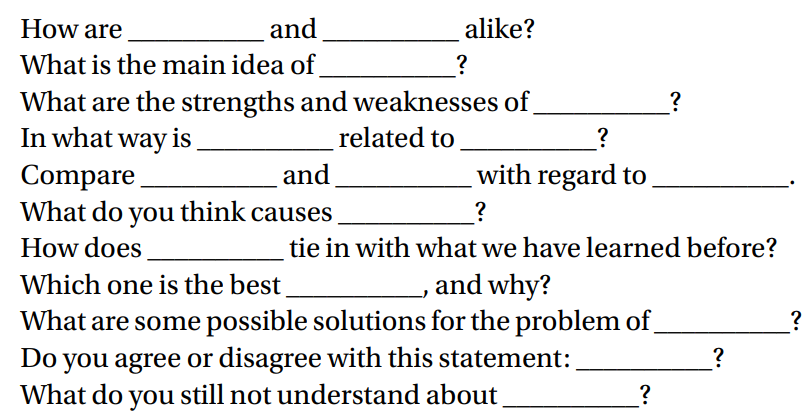
Always remember that you can involve all participants through having them respond to threaded forums, answering one another’s inquiries, and responding to polls during live events. Not only is active participation powerful for learning outcomes, but also it will provide you with an opportunity to assess what percentage of your students are confident and correct in their responses so that you can see where reteaching or further examples are needed. Some examples of prompts are:

4. Require and monitor independent practice, as well as cooperative learning where possible.

Participants do better when they help one another study, as cooperative learning provides an opportunity to explain the material to someone else, and then get feedback from their peers. Not only is independent / cooperative practice required to achieve learning outcomes, but also it provides good structure for when the class is over an learners will have to maintain and update their knowledge on their own.

5. Embrace mistakes and adjust when needed to prevent students learning errors. Our free chat will open for you the world of bright impressions. Connect and use a normal webcam to watch what happens in the rooms of the girls. You can also write girls private messages and conduct dialogue. On our website live porn cams watch explicit porn from Webcams online, without registration and absolutely for free. All videos can be downloaded to your phone in mp4 format. Naked Russian beauties solo and private recordings of married couples with laptops.

It’s important for learners to achieve a high success rate during instruction, where around 80% of learners are learning the material yet still being challenged. And part of that depends on adjusting if you are not achieving that target, as it’s harmful for learners to practice errors that they will eventually have to unlearn. Through an iterative approach, you’ll be able to prevent learners from falling behind (which then means they are likely to fall further as the class progresses), and achieve even better success for the other strategies presented.

There’s always more steps to take to improve an online learning approach, but starting earlier is an advantage. If you’d like to learn more about the TechChange model, take our online course, TC101: How to Teach Online.

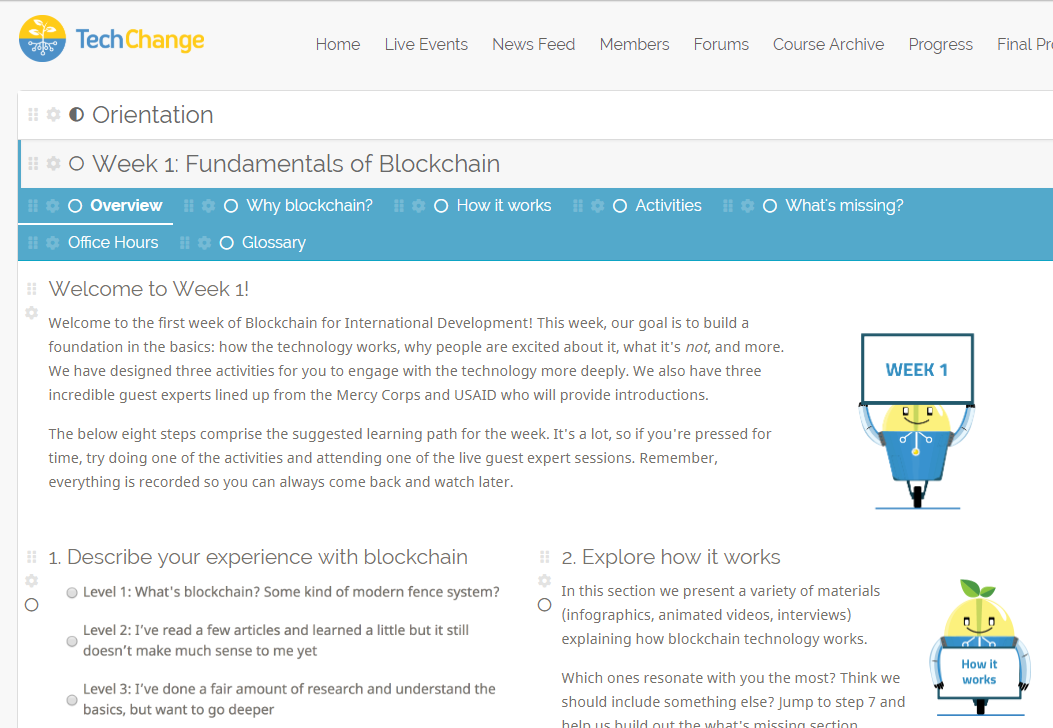
When you hear the word blockchain, what comes to mind? A purely speculative cryptocurrency? An over-hyped technology trend? Here at TechChange, we like to unpack those claims in our four week Blockchain for International Development course. We also believe that the best way to learn about decentralized ledger technologies, is by doing. Here are some ways we encourage students to engage with blockchain technologies outside of our online learning platform:


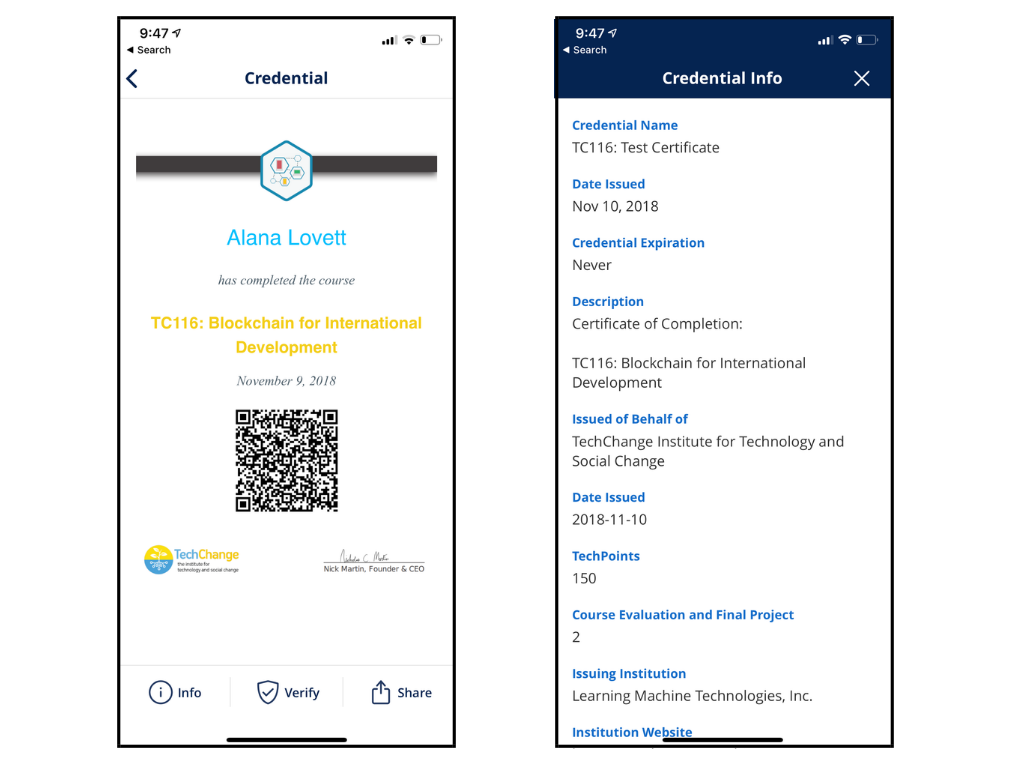
As we announced earlier this year, TechChange teamed up with Learning Machine to issue course certificates using blockchain technology. Today, the first round of courses certificates will be issued to those who have completed the course in 2018. This mean individuals will cryptographically own their digital record of certificate achievement. This record can be independently verified anywhere in the world!

This is an important feature to the Blockchain for International Development course as the material covers not only technological fundamentals of these distributed technology systems, but also use cases for international development. Issuing user-owned credentials and secure authentications is an often cited potential use of blockchain technology. The end-user experience of participants managing their course certificate powered by blockchain technology gives important insight into realistic expectations when applying this technology phenomenon beyond the alternative financial sector.


Participants also had the option to manage their own digital wallet and receive a batch of Stellar Lumen cryptocoins in both offerings of the course. New to the September edition of Blockchain for International Development was the giveaway of 1000 Stellar Lumens to the most engaged online participant.


We are excited to announce that Petra Vujakovic is the winner! Petra raked in 368 TechPoints, had perfect attendance to the live guest expert session, and presented about decentralized digital identity in the participant panel for her final project. From her high engagement in forums to the thoughtful response posts, it is no wonder that she is the recipient of the 1000 Stellar Lumens. Many thanks to runner ups who came close and to all participants who contributed to a lively course environment.

If you have taken and completed the Blockchain for International Development course this year and have questions about receiving your blockchain certificate, please send an email to courses@techchange.org.

A special thank you to Instructional Design Fellow, Amber Seira, for help in facilitating this course!